SERVE Volunteer Programme

Inside the SERVE Volunteer Programme: Four Weeks in the Philippines and the Bigger Picture

A look inside this summer's programme in Cebu, from construction and classroom work to the training, partnership and learning that shape the wider volunteer experience.

SERVE volunteers and community members during the 2026 Philippines Volunteer Programme

This summer, SERVE volunteers spent four weeks in Cebu, Philippines, taking part in a programme that combined practical work, education, community activities and shared learning.

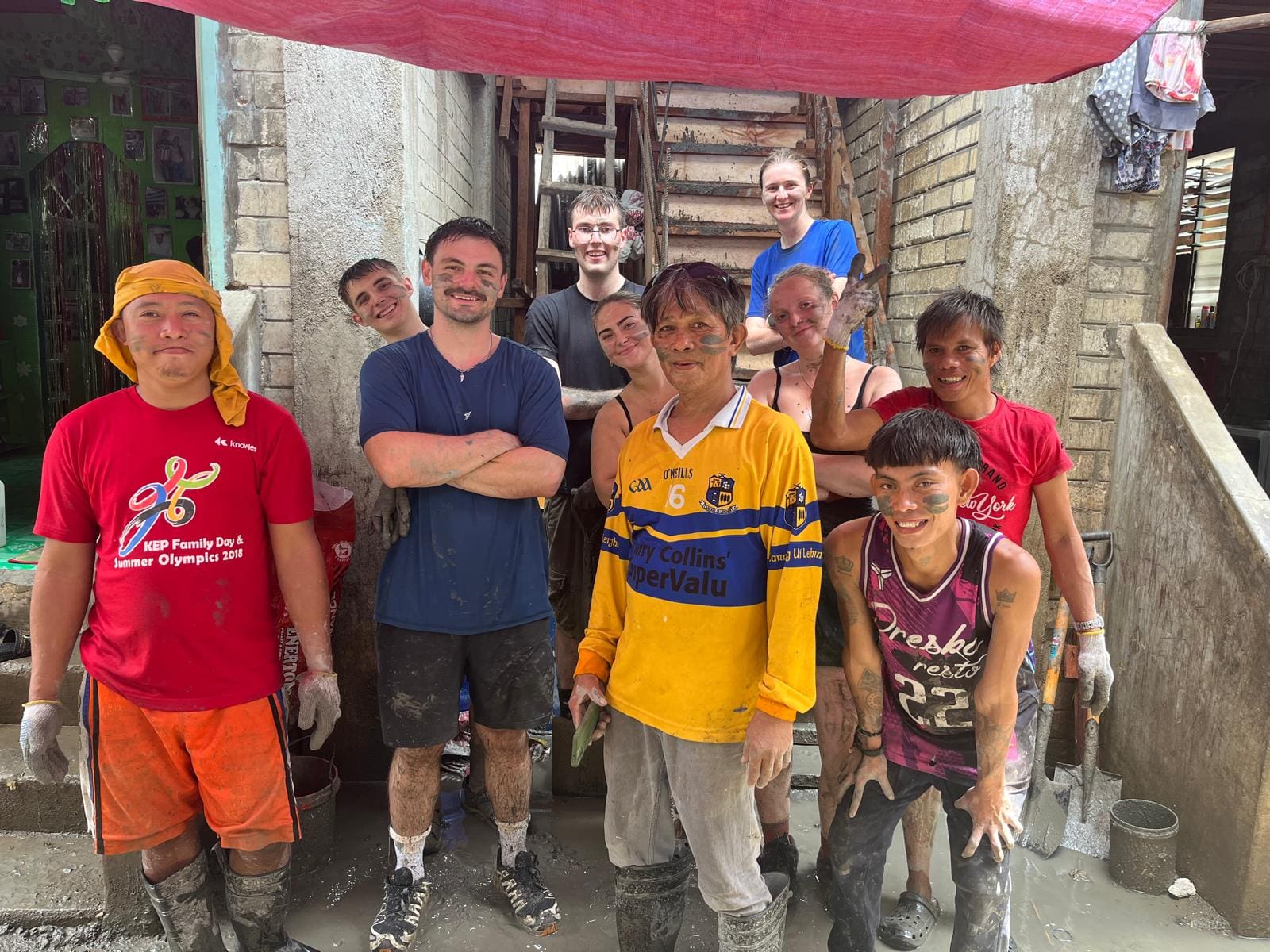
Within the Badjao community, some volunteers worked alongside local builders on construction projects, including replacing older wooden stairways with concrete stairs to provide safer access to homes. One volunteer was also able to draw on a background in structural engineering to support planning around the redevelopment of a building intended for use as a community bakery.

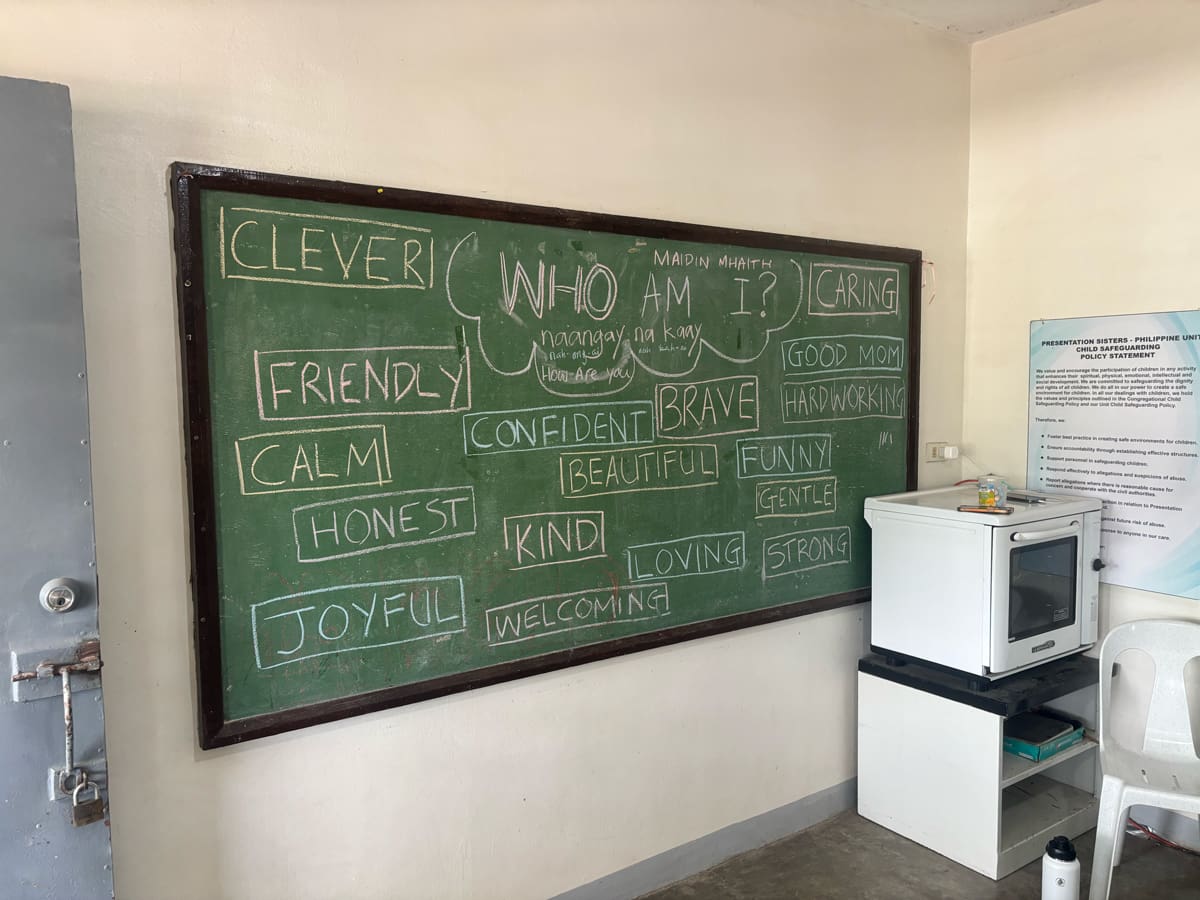
Another part of the group spent their mornings supporting classroom activities, including work with younger children, before taking part in afternoon activities and workshops involving children, young people and parents. These covered areas including English, music, creative skills, confidence and wellbeing.

Together, these experiences give a good picture of the variety within a SERVE Volunteer Programme. They also show how the four weeks overseas fit within something much broader.

The overseas placement is one part of a programme that begins before volunteers travel and continues through the learning and reflection they bring home with them afterwards.

Preparing for the experience

SERVE's pre-departure programme combines practical preparation with Global Citizenship Education.

Training looks at areas such as ethical volunteering, cultural awareness, power dynamics and the wider global issues volunteers may encounter. It also gives volunteers time to think about their role, the communities they will spend time with and what responsible volunteering looks like in practice.

The aim is to build understanding before departure so that volunteers arrive ready to listen, learn and work respectfully alongside local people and partners.

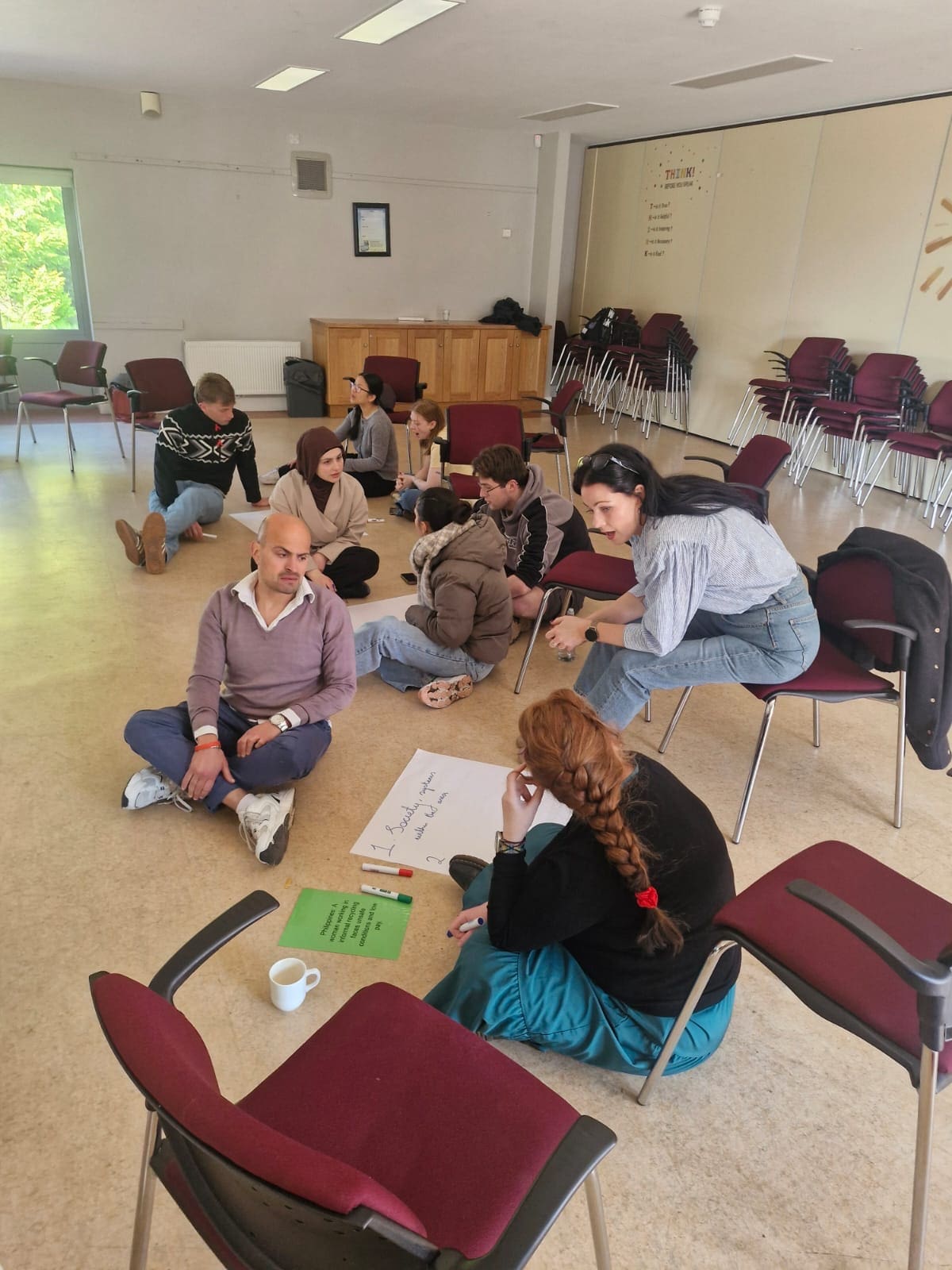
SERVE volunteers taking part in pre-departure training in Ireland
Preparation and Global Citizenship Education begin before the overseas placement.

Some of the ideas discussed during training naturally become clearer once volunteers are overseas. Conversations about inequality, culture, development and power take on a different meaning when they are connected to people, places and experiences rather than discussed only in a training room.

The training is therefore not separate from the placement. It provides a foundation for understanding it.

This is an important part of SERVE's approach to volunteering. The programme is designed around partnership and solidarity, rather than the idea that somebody can travel overseas for a short period and arrive with all the answers.

Construction work during the SERVE Volunteer Programme in Cebu

Working alongside local partners

SERVE's Volunteer Programme is built around long-standing relationships with local partner organisations.

Those relationships shape the work that takes place during a placement. Local partners understand their communities, know the priorities and are involved in the work throughout the year. The volunteer group joins that wider effort for a defined period.

In the Philippines, the construction team worked alongside local builders on identified projects within the Badjao community, while volunteers involved in education joined existing school and community activities.

Where somebody brought a particular professional skill that could be useful, there was also scope to use that experience within the priorities already identified locally.

This means a volunteer's role can look quite different depending on the country, partner and programme.

Someone with an engineering or construction background may find their experience particularly useful on a practical project. A teacher or educator may spend much more of their time in a classroom. Other volunteers may support workshops, community activities or tasks they had not expected before travelling.

Bringing skills is valuable. Being willing to adapt those skills to what is needed is just as important.

Different ways to contribute

One of the clearest things from the Philippines programme was the range of work happening at the same time.

Construction produces very visible progress. A new section of stairway can be photographed and its purpose is immediately clear.

Education and community work can look different. Supporting a classroom, helping with a creative activity or spending time with children and families does not always result in the same obvious before-and-after image, but it remains an important part of the programme.

Workshop activities during the SERVE Volunteer Programme in Cebu
Education, workshops and community activities formed an important part of the programme alongside the practical work.

This matters for anyone considering volunteering with SERVE.

The programme is not only for people with construction experience. Teachers, students, professionals and people with a wide range of practical and interpersonal skills can all contribute in different ways.

There is no single template for what a SERVE volunteer looks like or what every placement will involve.

What does everyday life on a placement look like?

A SERVE placement has plans, responsibilities and organised activities, but it also takes place within a real community where priorities and timings can shift.

Local partners have their own programmes and responsibilities, while transport, weather, availability, community events and ordinary day-to-day life can all shape how a particular day develops.

For volunteers, this means arriving with a willingness to be flexible. Some days may follow the plan closely. Other days may change as the programme responds to what is happening locally. Understanding that beforehand helps volunteers settle into the rhythm of the placement and make the most of the experience.

This flexibility connects directly to the preparation volunteers receive before travelling. Working alongside a local partner means responding to local priorities rather than expecting the programme to operate entirely around the visitor.

It is a practical example of what community-led work looks like.

Sharing the experience as a group

For several weeks, volunteers live, travel, work and spend their free time together.

That shared experience often becomes one of the strongest parts of the programme. People who may have known very little about one another beforehand go through the placement together, share new experiences and build friendships along the way.

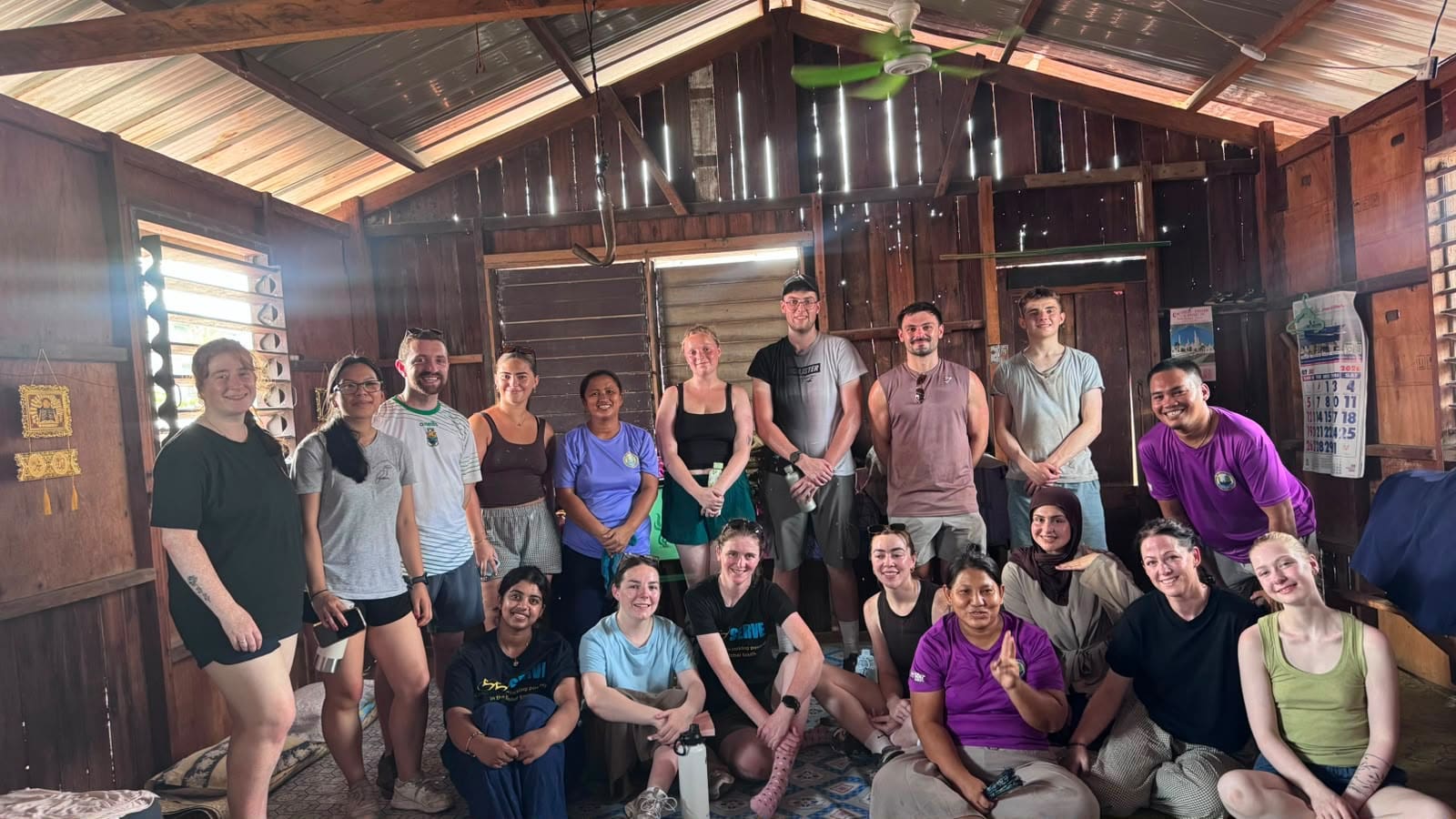
SERVE volunteers spending time together during the Philippines Volunteer Programme
Living and travelling as a group is another important part of the volunteer experience.

It also means being part of a team. People have different routines, personalities and ways of approaching new situations, so being considerate of one another and recognising the wider group is part of the commitment volunteers make when they sign up.

Pre-departure training helps prepare volunteers for the group experience, but much of it naturally becomes clearer once everyone is living and working together overseas.

The group itself becomes another part of the learning.

What can four weeks contribute?

There were clear practical outcomes from this year's Philippines programme.

Construction work progressed. Volunteers supported classrooms and workshops. Professional skills were put to practical use. Time was spent working and learning alongside local partners and members of the Badjao community.

Those contributions sit within work that continues throughout the year.

A four-week placement can provide useful support, additional skills and energy, but the longer-term work belongs to the local organisations and communities that are there before, during and after the SERVE group travels.

This is why the idea of partnership is so central to the programme.

The value of the placement is not measured only by the amount of visible work completed before volunteers return home. It is also found in how people contribute while they are there, what they learn from the experience and how that contribution fits into longer-term local priorities.

Connecting the experience to the wider world

Global Citizenship Education helps volunteers connect what they encounter during a placement with wider issues.

A volunteer might see questions around housing, education, employment, gender, income or inequality at a very local level. The programme encourages them to consider how those experiences connect with much broader patterns and challenges.

The Sustainable Development Goals provide one useful framework for understanding some of these connections.

The aim, however, is not simply to learn the names and numbers of different goals. It is to encourage curiosity and critical thinking.

Why do certain inequalities exist? What circumstances have shaped them? What is already being done locally? Who is involved in creating change? How do local experiences connect with wider questions of justice and development?

These are questions that can stay with someone long after the placement itself has finished.

The aim is for volunteers to return home with a deeper understanding of the context they experienced and a stronger awareness of how local and global issues connect.

“We want volunteers to leave with a grounded understanding of how change happens locally, and a long-term commitment to justice that extends far beyond the placement.”
Nicola, SERVE Volunteer Programme Manager

Learning throughout the programme

The learning does not stop once the pre-departure training finishes.

Ideas introduced during preparation around ethical volunteering, partnership, cultural awareness and flexibility become much more tangible once volunteers are working alongside local partners and communities.

The programme itself then becomes another part of that learning.

SERVE continues to use the experience of each group to strengthen how future volunteers are prepared, including helping people understand what everyday life overseas can look like and making the connection between training and placement as clear as possible.

The aim is for volunteers to understand not only what they are doing during the four weeks, but the context around it.

What should someone know before applying?

  • Every SERVE placement is different and is shaped by the location, local partner and work taking place.
  • Volunteers take part in preparation and Global Citizenship Education before travelling.
  • The work is shaped by local priorities and volunteers join programmes that are already underway.
  • Different skills can be useful, from education and professional experience to practical and interpersonal skills.
  • Flexibility is part of the experience and plans may change during the placement.
  • Volunteers are also joining a group and sharing much of the four-week experience together.

There is no single SERVE Volunteer Programme experience. A programme in the Philippines can look different from a programme in Mozambique, Zimbabwe, Zambia or India. The location, local partner, type of work, living arrangements and day-to-day experience can all vary.

There will be practical work and memorable experiences, alongside new routines, changes of plan and plenty of opportunities to learn.

A volunteer may get the chance to use skills they already have, while also discovering that something they had not considered beforehand becomes an important part of their role.

Having realistic expectations does not make the experience any less rewarding. It helps volunteers understand what they are joining and approach it with the right mindset.

Beyond the four weeks

The overseas placement has a defined beginning and end, but SERVE hopes its value lasts much longer.

For some volunteers, the experience may lead to further volunteering or involvement with SERVE. Others may fundraise, take a greater interest in global issues or become more active within their own communities.

For others, the change may be quieter. They may think differently about development, poverty or inequality. They may become more aware of how they talk about other countries and communities, or more interested in the wider issues behind what they experienced.

There is no single outcome expected from every volunteer.

What SERVE hopes remains is a greater understanding of solidarity and of the role individuals can play within a much bigger picture.

The four weeks overseas are an opportunity to contribute to meaningful work, spend time with local partners and communities and experience another part of the world in a way that is very different from simply visiting it.

They are also an opportunity to listen, learn and bring that understanding home.

Thinking about volunteering with SERVE?

Learn more about the SERVE Volunteer Programme, how the programme works and upcoming opportunities to get involved.

Explore the Volunteer Programme
Secret Link